Plan smart water and gas metering using M-Bus, pulse, LoRaWAN, NB-IoT and cellular AMI architectures.
The most effective building and utility improvements come from combining reliable field data with engineering context, clear operational ownership and a repeatable process for acting on exceptions. This article explains the practical considerations behind that approach.
1. Start with the meter and approval requirement
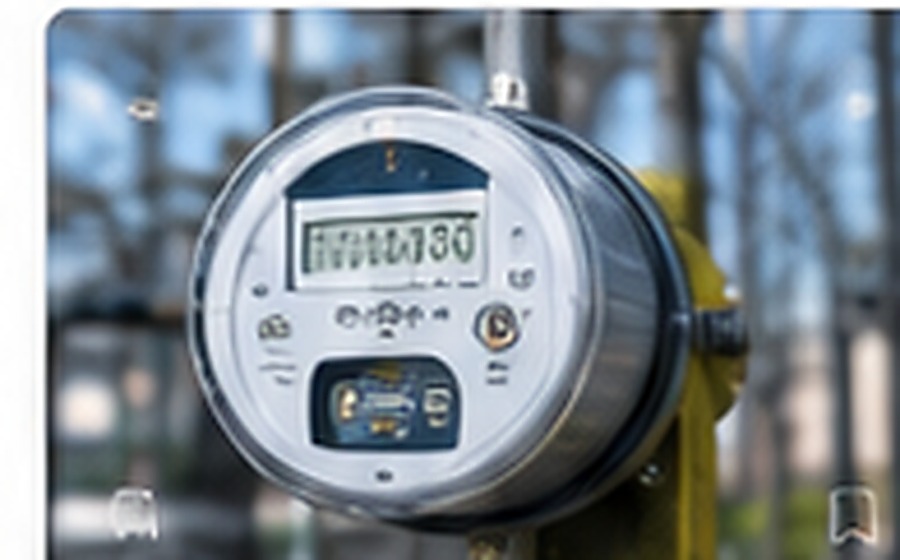
Meter size, accuracy class, medium, installation orientation and local approval requirements should be confirmed before selecting communication.
2. Compare wired and wireless architectures
M-Bus and pulse can be effective in new buildings with accessible cabling. LoRaWAN and cellular options can reduce retrofit cabling but require radio, battery and lifecycle planning.
Use the available data to narrow the investigation, but confirm the root cause with site context before changing controls, billing or maintenance decisions.
3. Plan data validation and exception handling
Remote reading should include stale-data checks, reset detection, continuous-flow rules and communication-health monitoring.
4. Link the meter data to operations
The value of AMI increases when data feeds billing, leak investigation, customer portals, portfolio reports and maintenance workflows.