Compare M-Bus, Modbus and LoRaWAN for smart metering, utility billing and building IoT projects.
The most effective building and utility improvements come from combining reliable field data with engineering context, clear operational ownership and a repeatable process for acting on exceptions. This article explains the practical considerations behind that approach.
1. M-Bus is purpose-built for metering
M-Bus is widely used for utility and heat meters. A single master can read many field devices and is well suited to buildings where dedicated metering cabling is available.
2. Modbus is common across industrial and building equipment
Modbus RTU and Modbus TCP are practical when meters, controllers and plant already support the protocol. Register mapping and data types must be managed carefully during commissioning.
Use the available data to narrow the investigation, but confirm the root cause with site context before changing controls, billing or maintenance decisions.
3. LoRaWAN helps when wiring is difficult
Wireless architectures are useful for retrofit sites, distributed assets and locations where new cabling is expensive. Radio planning, battery strategy and network coverage still need engineering attention.
4. Hybrid architectures are normal
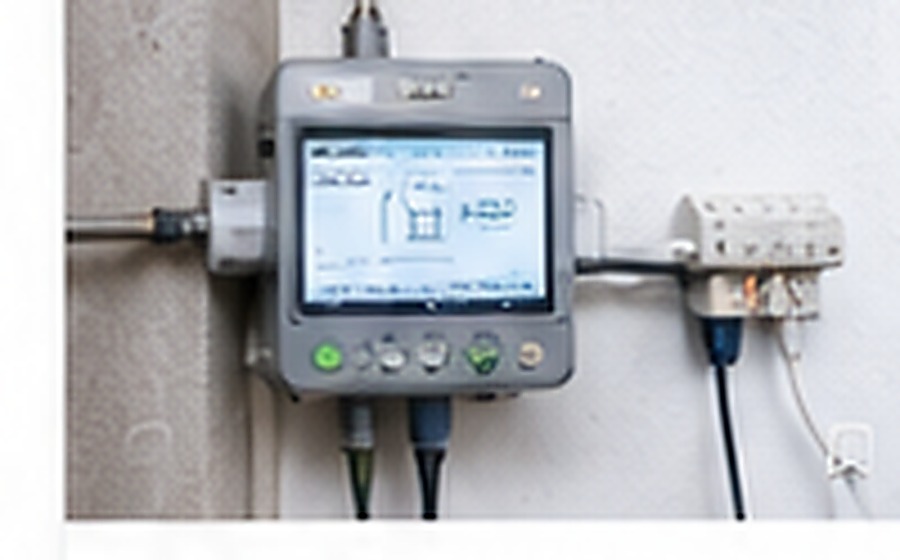
Large portfolios often combine M-Bus, Modbus, pulse, LoRaWAN and cellular connectivity. An edge gateway can normalise these field technologies before data reaches the central platform.
- Select protocol by site constraint, not trend
- Plan commissioning and device identity early
- Keep local buffering for network interruptions
- Document register maps and scaling factors
- Validate time synchronisation and data intervals